Does Google Penalize AI Content? An SEO Guide for AI-Generated Text
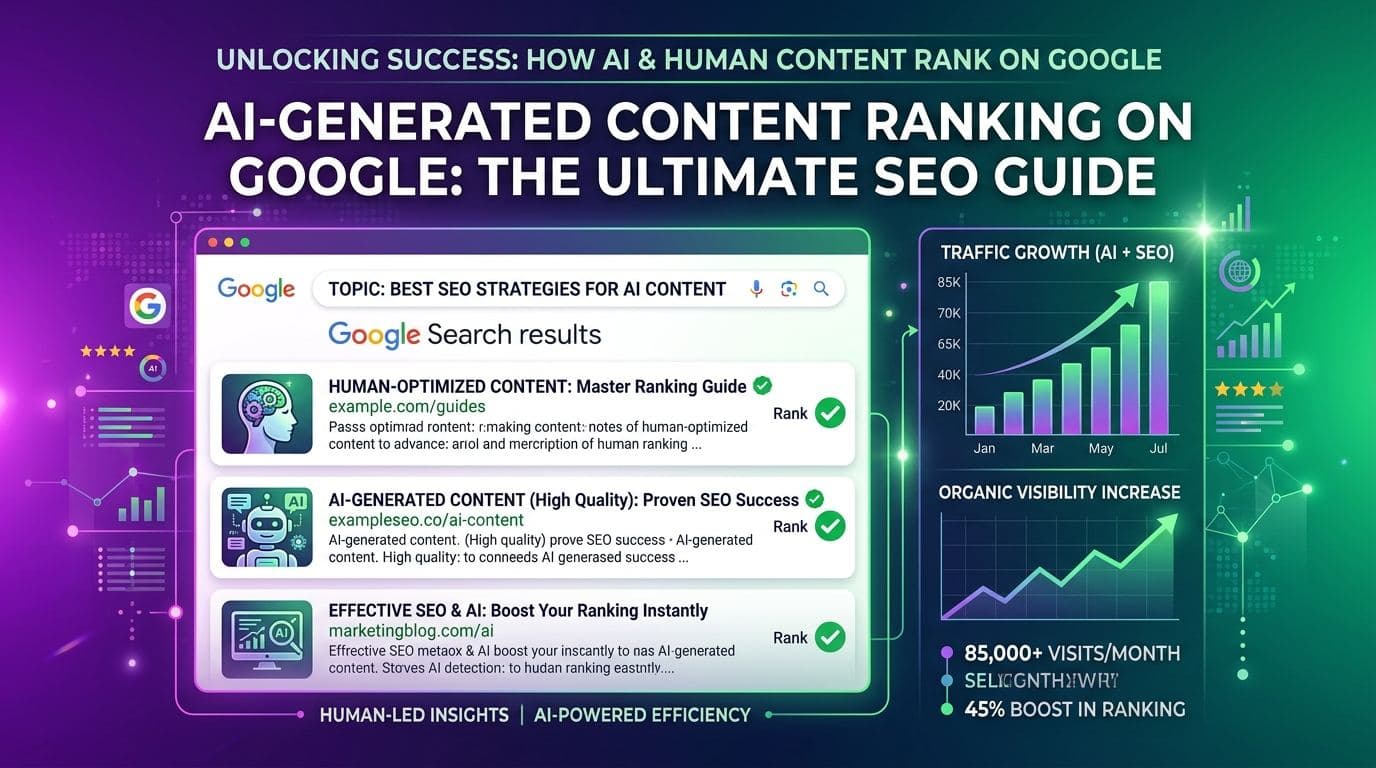
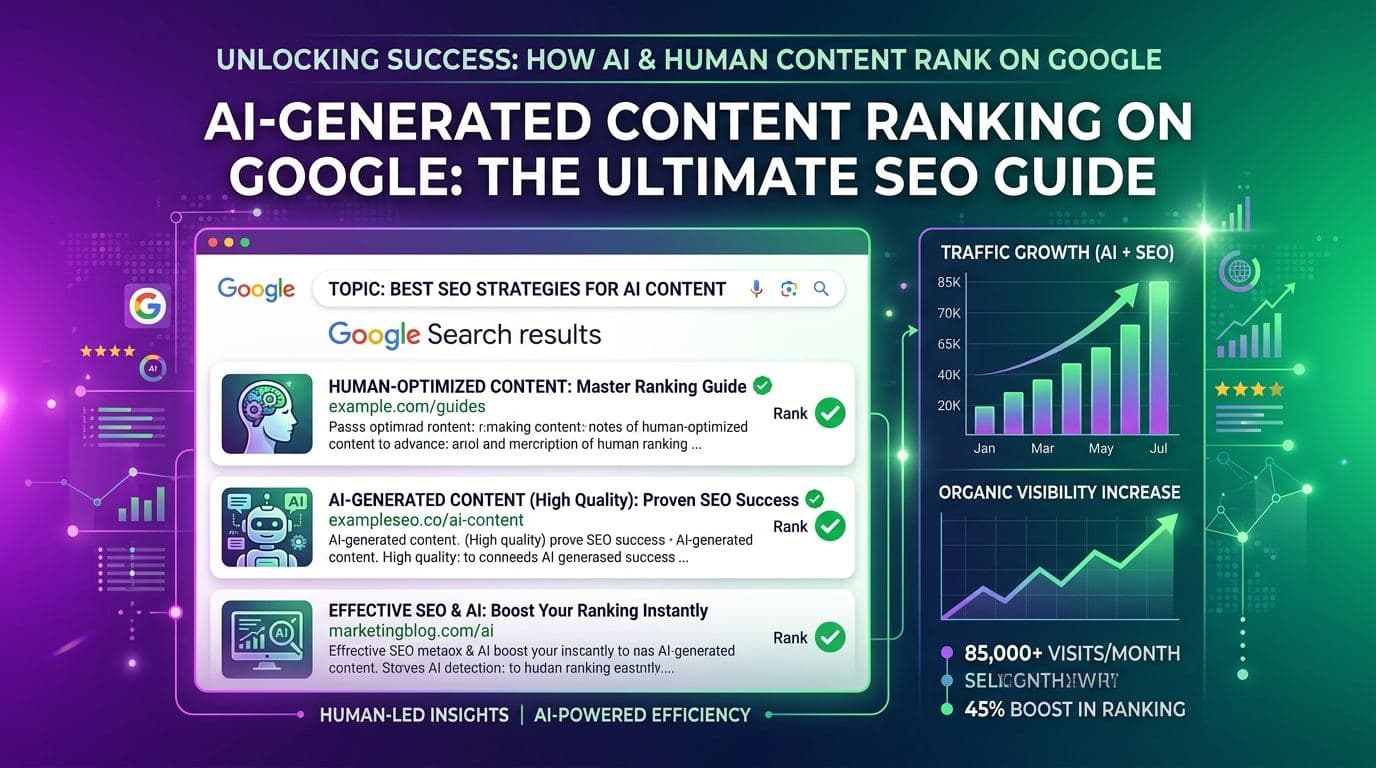
Google's stated position on AI-generated content, which of its spam policies actually apply, and how to edit an AI draft into a page that is useful enough to publish.
Guides on writing better, understanding readability, and getting the most from text rewriting tools.

Google's stated position on AI-generated content, which of its spam policies actually apply, and how to edit an AI draft into a page that is useful enough to publish.

How to prompt ChatGPT for specific output, the edit pass that fixes a raw draft, and the checks worth running before you publish anything AI-assisted.

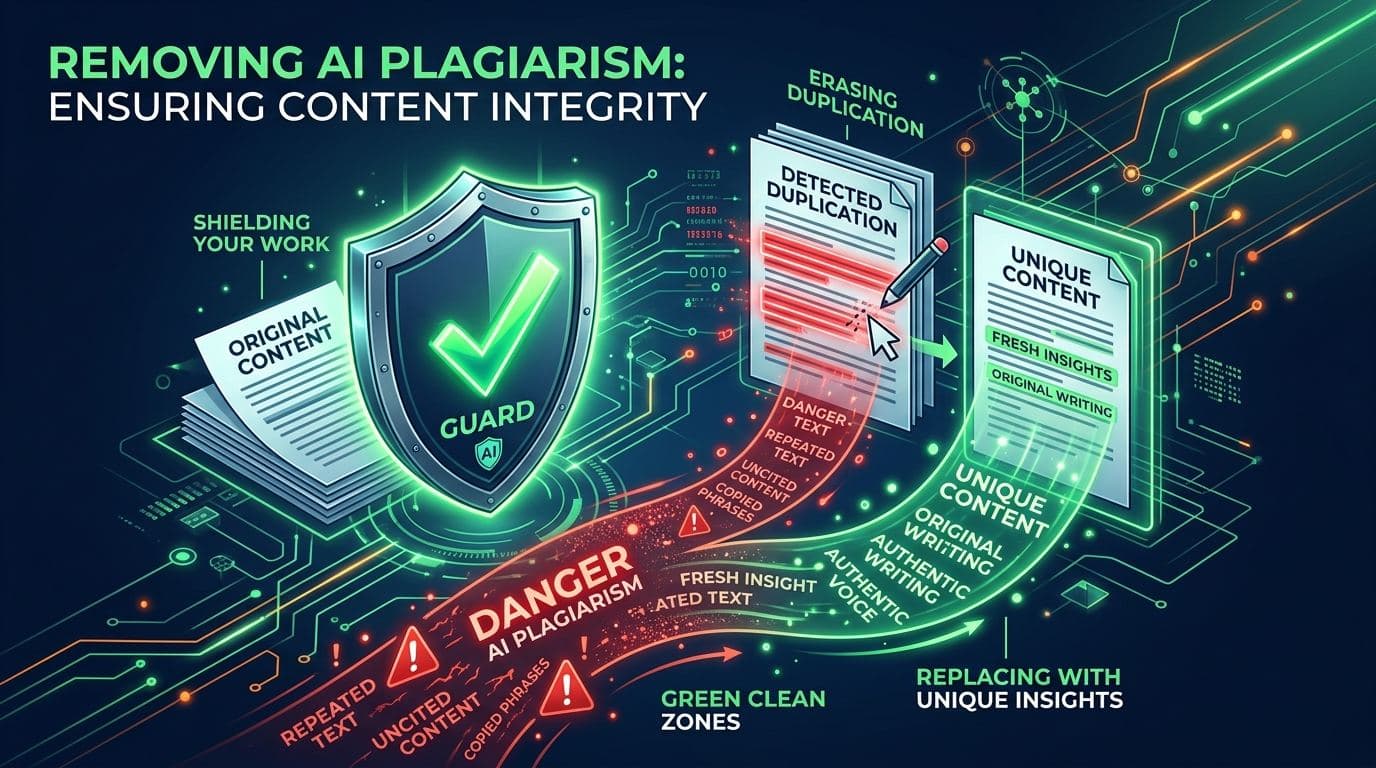
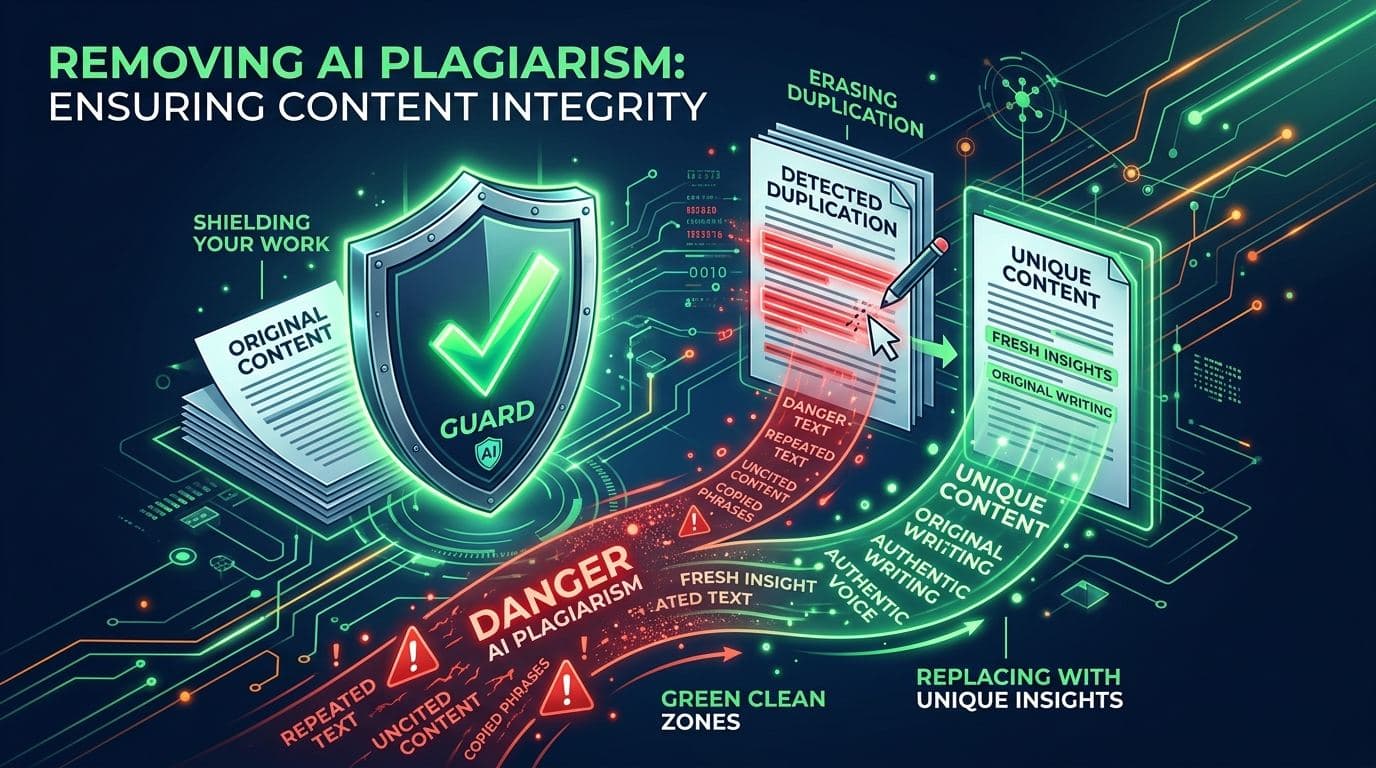
What people actually mean by AI plagiarism, why AI drafts read as unoriginal, and how to rewrite one into work that carries your own evidence and judgement.

Practical techniques for editing AI-generated drafts from ChatGPT, Claude, and Gemini so they read naturally: vary sentence length, cut stock phrases, add specifics, and review the result.

What AI text detectors measure, why two tools disagree about the same paragraph, where detection fails, and how to read a pattern score without over-reading it.

What has to change in a paraphrase and what has to stay, the four mistakes that quietly distort meaning, and a seven-step method you can repeat on any source.

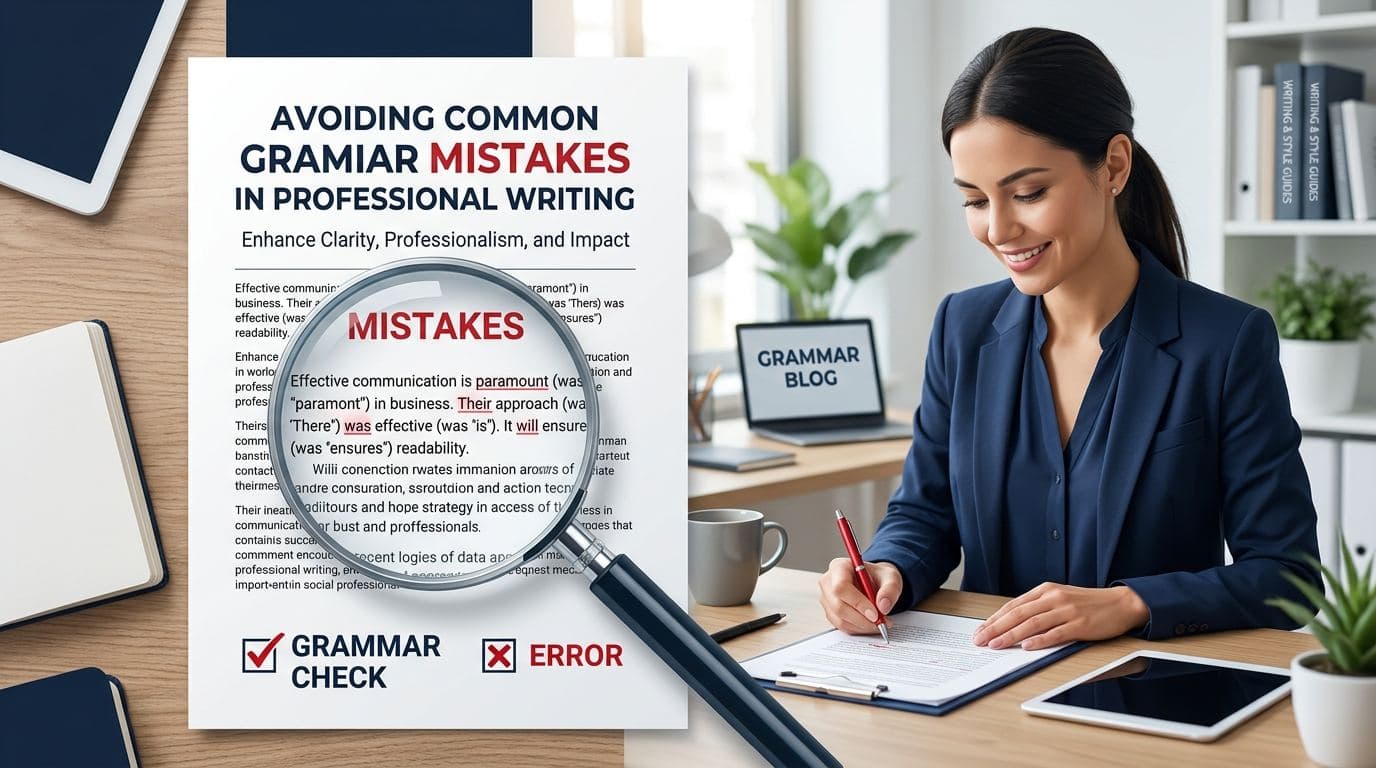
Spot and fix the 10 most common grammar mistakes in professional writing, from dangling modifiers to comma splices, with clear examples, tables and a full FAQ.

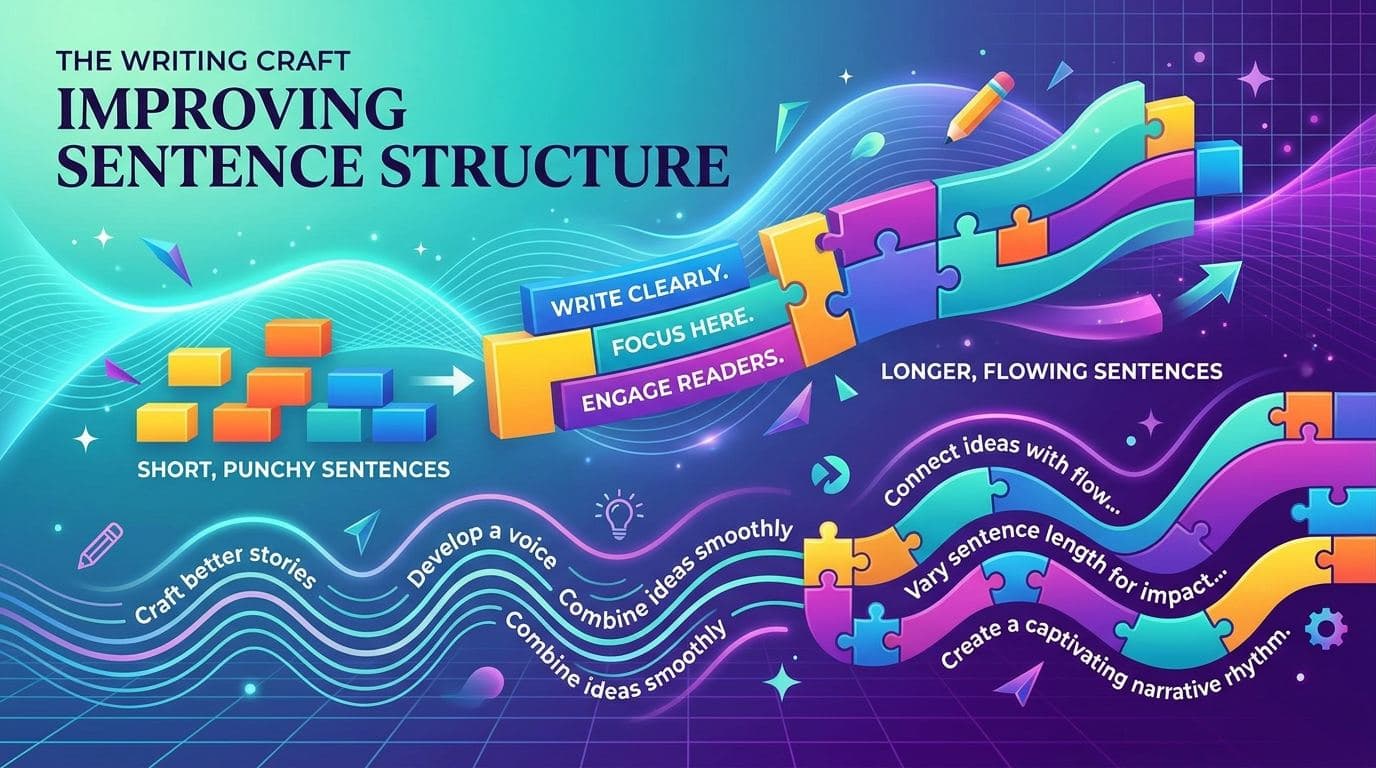
Fix choppy, monotonous or confusing sentences with seven structural techniques, each with a before-and-after pair you can copy into your own editing pass.

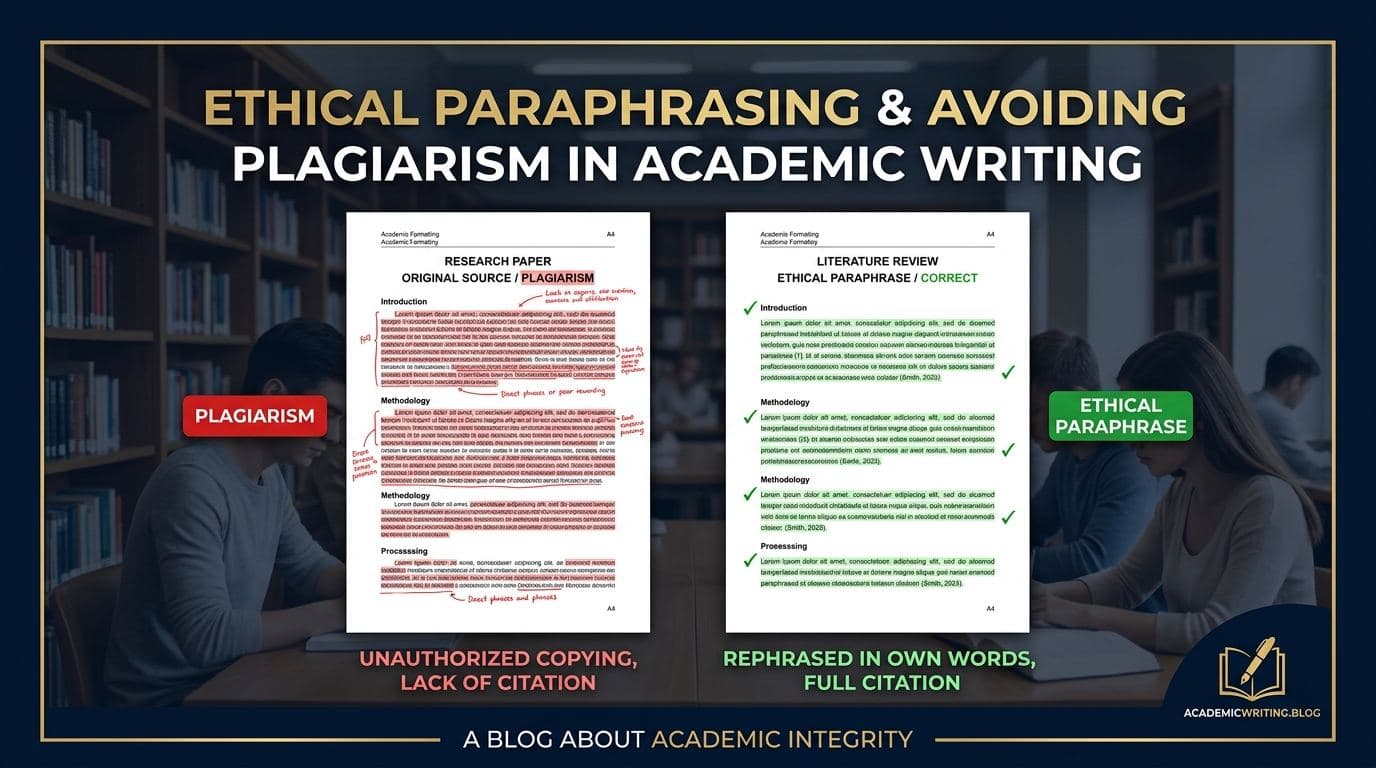
What separates a real paraphrase from patchwriting, the four principles that keep restatement honest, when to quote instead, and how to use rewriting tools without crossing a line.

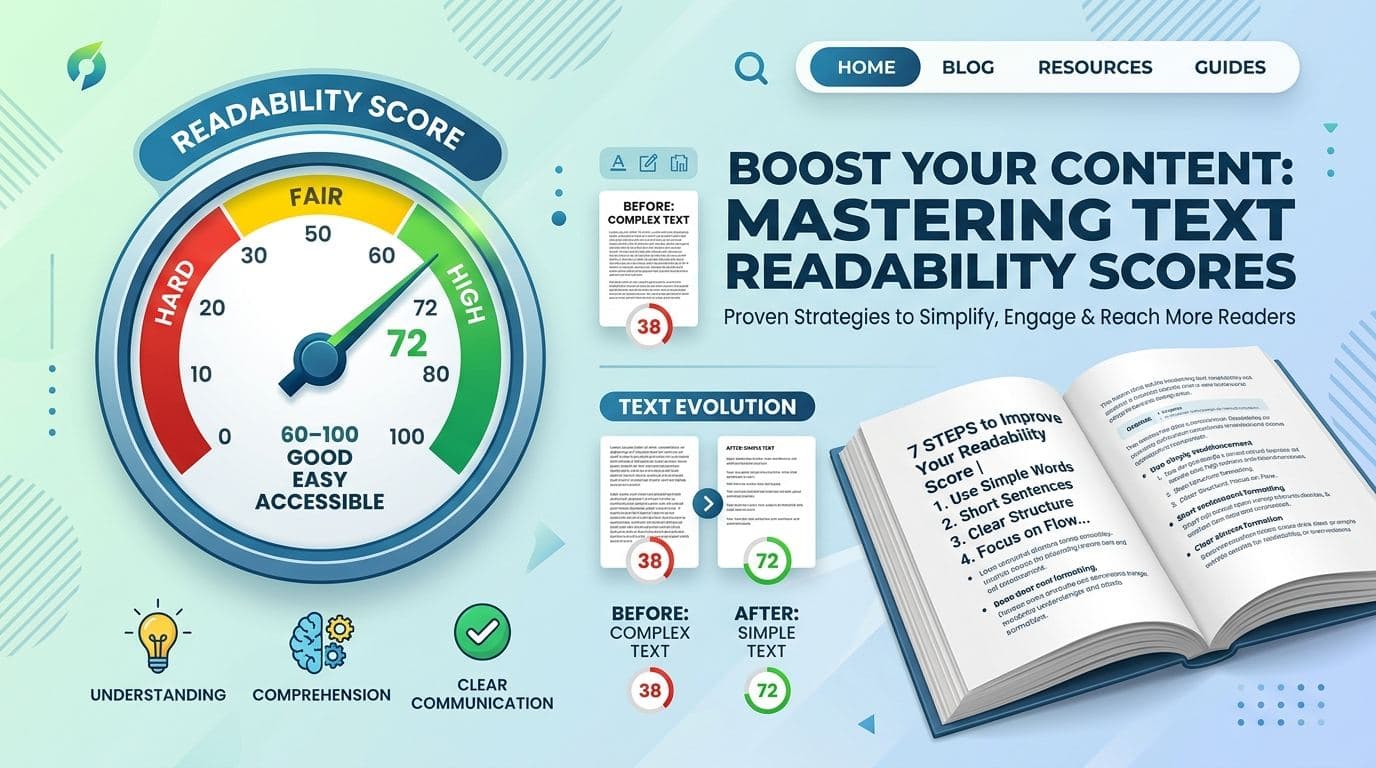
Learn what readability means, how it's measured, what Flesch scores to target for your content type, and practical techniques to make your writing easier to read.

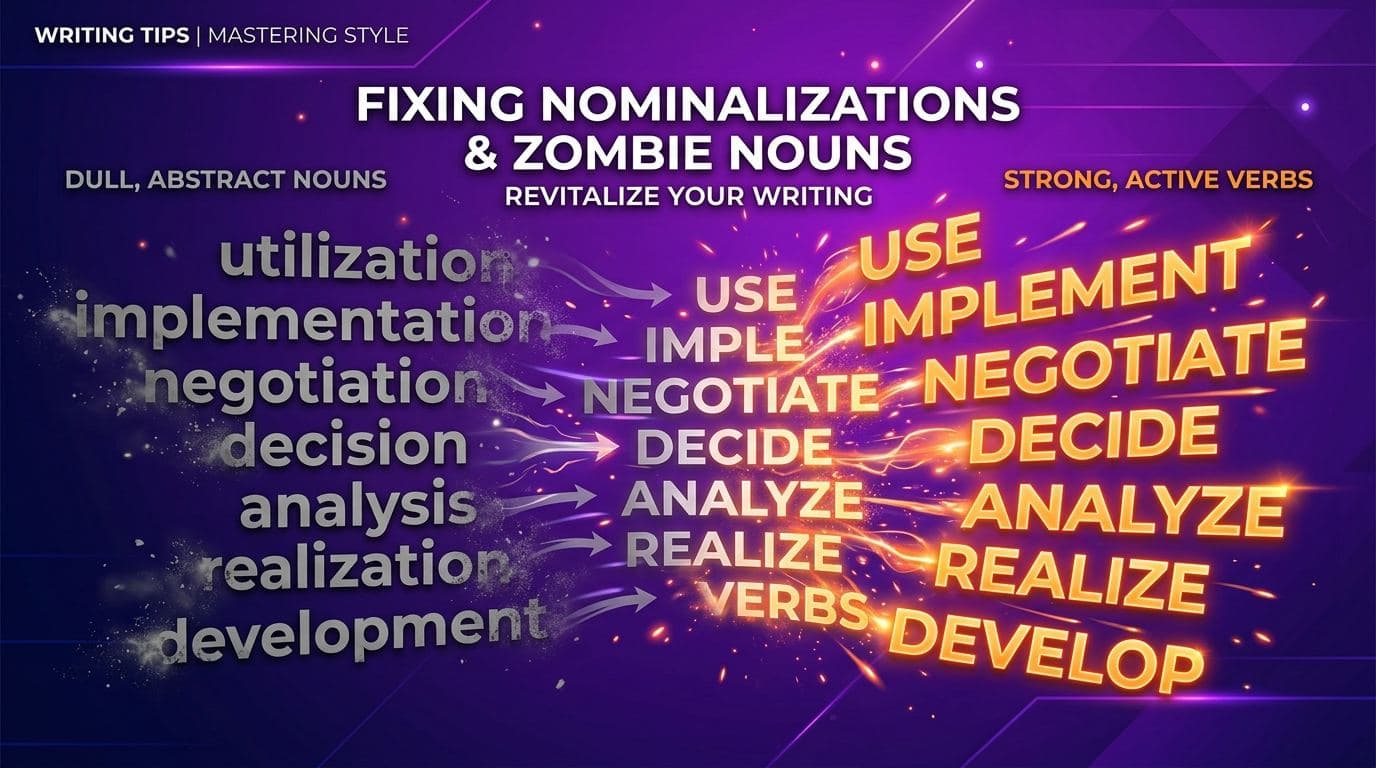
Learn what zombie nouns (nominalizations) are, why they make your writing feel heavy and passive, and how to spot and fix them with practical before/after examples.

Seven sources of wordiness and the edit that fixes each one, from verbose phrases and redundant pairs to throat-clearing introductions, with swap lists.

How the Flesch Reading Ease and Flesch-Kincaid Grade Level formulas are calculated, what each score band means, which band to target, and how to move a score.

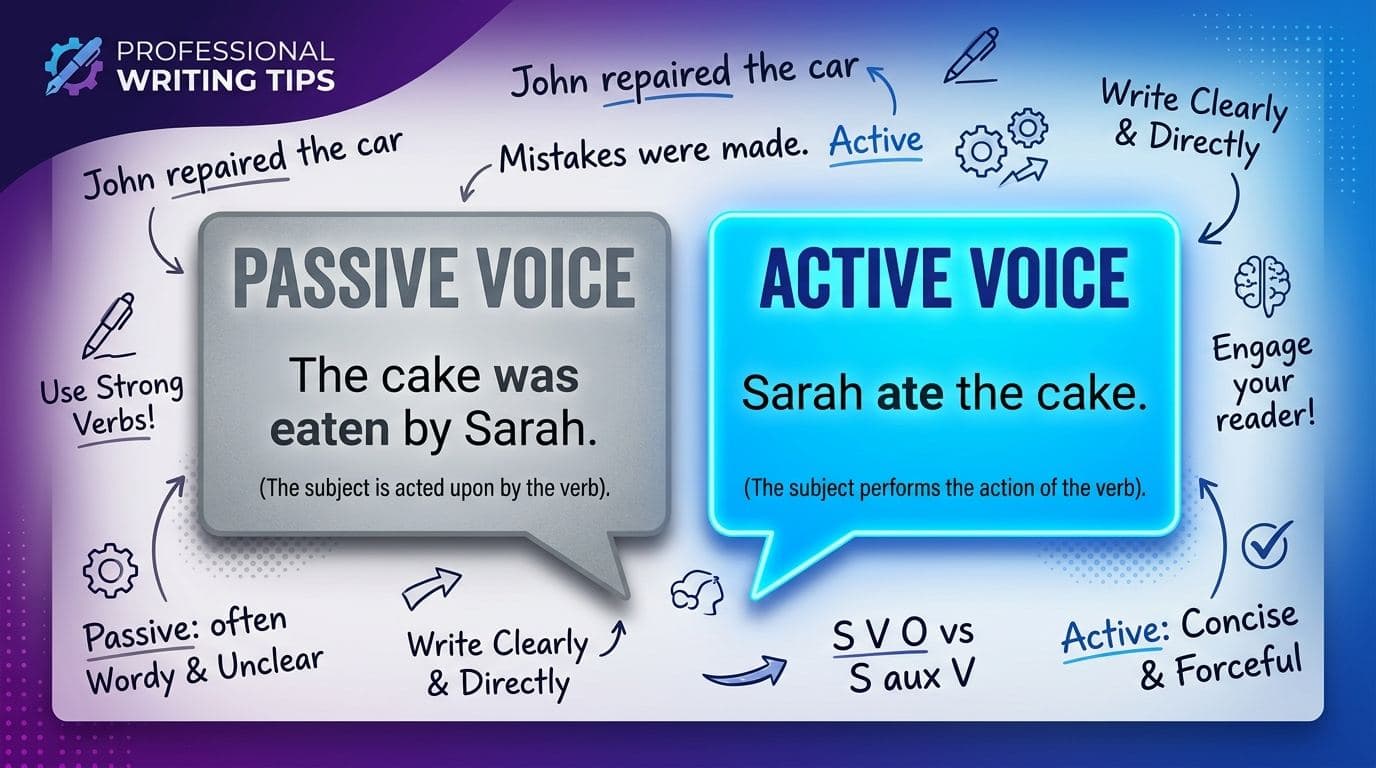
Understand the real difference between active and passive voice in English writing. Packed with before/after examples, comparison tables, and a full FAQ section.

A plain definition of AI text humanization, the six edits it actually makes to a draft, the content types that need it, and the things it cannot do for you.